• Auto
  • Travel
  • Health
  • Shopping
  • Finance
  • Home & Garden
Home | Health
6 mistakes to avoid while wearing contact lenses

6 mistakes to avoid while wearing contact lenses

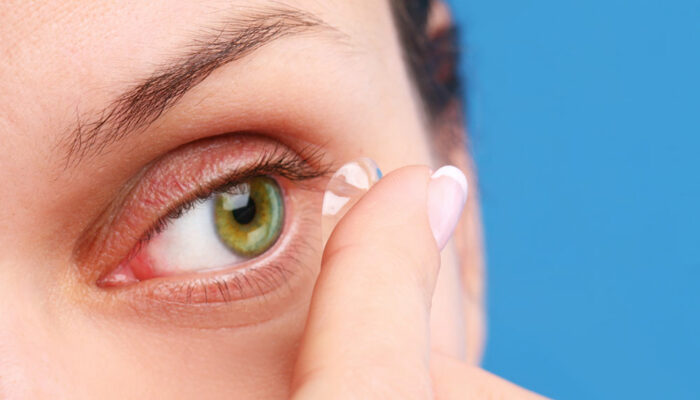
Environmental pollutants, genetics, injuries, age, and other factors can affect one’s eyesight. Luckily, several visual aids are available in the market to help people see better, contact lenses being a popular choice. These lenses are placed over the eye’s cornea to correct refractive errors. Some people also wear them for cosmetic purposes. In either case, one should avoid the following mistakes while wearing contact lenses to ensure they work well and don’t cause complications. Sleeping with contact lenses When one sleeps, the body works to recover and rejuvenate organs, including the eyes, from the stressful situations that may have occurred during the day. Sleeping with contact lenses can interfere with this function. Moreover, when closed, the eyes don’t receive sufficient oxygen to fight germs, and wearing contact lenses may block the oxygen supply further. Not cleaning the lenses Some people don’t clean their contacts for days. This is a terrible mistake that can lead to bacteria settling on them. When such lenses are worn, they can increase the risk of infection and inflammation. They can also lead to keratitis, a painful eye infection of the cornea. One must clean their contact lenses regularly and ensure they are hygienic when placed on each eye.
Read More

Common early warning signs of lymphoma

Common early warning signs of lymphoma

Lymphoma is a type of cancer affecting the body’s lymph system. This system comprises organs and tissues that help maintain good health and fight infections. Lymph nodes are essential organs of the lymph system affected by the condition. These nodes hold special white blood cells, which keep immunity strong. There are two types of lymphoma, and the symptoms vary according to the type. Here are some early signs and symptoms to never ignore. Swollen or enlarged lymph nodes Both types of lymphoma, Hodgkin and non-Hodgkin, trigger a common symptom: swollen or enlarged lymph nodes. Lymph nodes circulate lymph fluid to the entire body. This fluid contains immune cells crucial in keeping one healthy and performing other vital functions. There are around 600 lymph nodes in the body, which can get swollen or enlarged with lymphoma. However, the lymph nodes in the underarm area, above the collarbone, in the groin region, and at the side of the neck are often affected when someone develops the condition. Although lymph node swelling is an essential sign of lymphoma, it may sometimes be associated with another non-cancerous infection. Hence, individuals must consult a healthcare professional for a diagnosis before jumping to conclusions. The other symptoms of lymphoma can vary depending on the type and location of the cancer.
Read More
Avoid these 8 foods to manage cold sores

Avoid these 8 foods to manage cold sores

The herpes simplex virus causes fever blisters or cold sores. They generally appear on the lips and the skin around them. Blisters may appear individually or in groups of ten. They may be a painful infection, leaving patients ill for many days. And since they are open sores, they are susceptible to inflammation caused by the food one eats, affecting healing time. This article enlists eight foods people must avoid when dealing with such sores. Citrus fruits While citrus fruits are an excellent vitamin C source, essential to boost immunity, they are also highly acidic. As a result, they may cause a burning sensation when they come in contact with a blister. Opt for red bell peppers or strawberries instead of oranges, grapefruits, and lemons to maintain healthy vitamin C intake. Processed foods Processed foods may also be detrimental to one’s health during a cold-sore outbreak. This is because processed foods may weaken the immune response, reducing the body’s ability to fight the virus. One must avoid ultra-processed foods like frozen meals, processed pasta dishes, high-calorie snacks, pizzas, and sugary breakfast cereals. Refined sugar The excessive intake of high amounts of refined sugar may also negatively impact gut and immune health, prolonging recovery time.
Read More
Early warning signs of lung damage to watch out for

Early warning signs of lung damage to watch out for

Breathing is an essential bodily function that keeps a person alive. Not many people are conscious of their breathing patterns unless an underlying respiratory condition such as lung damage affects them. Lung damage can occur due to various factors, such as pollution and respiratory infections. Understanding the warning signs of lung damage is crucial for early diagnosis and treatment. Some key causes and warning signs of lung damage and its treatment mechanisms are discussed below. Causes of lung damage Prolonged exposure to air pollution, such as smog, dust, and industrial fumes, can also lead to lung damage. Respiratory infections, such as pneumonia, bronchitis, and tuberculosis, can damage the lungs and cause long-term respiratory problems. Other factors that can cause lung damage include exposure to asbestos and radon gas. Warning signs of lung damage The symptoms of lung damage can vary depending on the severity and the underlying cause. Some of the common warning signs of lung damage are listed below. Shortness of breath: Breathing issues are a common symptom of lung damage. It occurs during rigorous physical activity or even at rest. Shortness of breath can indicate various respiratory conditions, such as chronic obstructive pulmonary disease (COPD) and asthma. Besides shortness of breath, labored breathing is also an indicator of lung damage.
Read More
8 constipation mistakes to steer clear of

8 constipation mistakes to steer clear of

Constipation, characterized by irregular bowel movements or difficulty passing stools, is a common condition that affects many people. It may be accompanied by symptoms like bloating, abdominal pain, and loss of appetite, which add to the discomfort. Various factors, including a lack of fiber in the food, dehydration, specific treatments, and a sedentary lifestyle, can cause constipation. Following are a few mistakes people make when constipated, which worsens their symptoms. Not drinking enough water This is one of the most common mistakes people make when trying to relieve constipation. The stool becomes hard and difficult to pass when the body does not get sufficient water. Experts recommend that individuals drink at least eight glasses of water daily to keep the body hydrated. However, the exact amount of water one needs can vary depending on age and activity levels. Eating fried foods Fried foods like French fries, fried chicken, and onion rings are high in fat and low in fiber. As a result, they can slow down the digestive process, contributing to constipation. Moreover, fried foods are often cooked in oil, which can cause inflammation, increasing the risk of other digestive problems. Therefore, one should limit the intake of fried foods and use healthier cooking methods like grilling, roasting, or baking.
Read More
6 mistakes that affect sleep quality

6 mistakes that affect sleep quality

Sleep is an essential component of a healthy life and overall well-being, but many overlook its importance. Getting adequate sleep ensures that the mind and body are relaxed, rejuvenated, and ready to tackle all the challenges of the day. However, getting the recommended hours of sleep at a stretch can require more than just sticking to a strict sleep schedule. Common reasons for inadequate sleep could be poor lifestyle choices. Choosing heavy meals Digestion can be an energy-consuming activity. Eating heavy meals close to bedtime can lead to acid reflux and indigestion and potentially wreck your sleep quality. It is best to have dinner at least three hours before bed and ensure that it is a light meal. Additionally, avoid caffeine and other stimulating drinks for a minimum of 5 hours before bedtime to ensure uninterrupted sleep. Engaging in stimulating activities Playing video games, watching television, and scrolling through endless social media feeds can disrupt sleep quality. These activities make it difficult for the brain to wind down and relax. So, you end up with an overactive mind when you would rather be sound asleep. So, consider avoiding screen time and extremely stimulating activities at bedtime if you are trying to improve your sleep quality and the amount of rest you get.
Read More
14 warning signs of a seizure

14 warning signs of a seizure

Seizures are sudden and uncontrolled electrical disturbances in the brain. These disturbances can cause unusual sensations and behavior and loss of consciousness. The condition can affect people of all ages, but the symptoms may vary depending on the type of seizure the person is experiencing. While some seizures are harmless, others might end up being fatal. So, individuals must be aware of the disorder’s warning signs and visit a health expert if they occur. Convulsions Convulsions or uncontrolled, jerky movements are the most common symptom. These movements are usually seen in the arms and legs but can also affect the face, neck, and other body parts. The movements can be irregular or in rhythm and may last from a few seconds to a few minutes. Loss of consciousness During a seizure, the patient might become unresponsive to visual stimuli, appear dazed or confused, and stare blankly. In some cases, one might also fall to the ground unresponsive. Muscle stiffness Seizures can, at times, lead to muscle stiffness or soreness. This symptom is more common in people experiencing grand mal seizures, also known as tonic-clonic seizures. Muscle stiffness might cause the person to fall to the ground. Sensory disturbances Seizures may also lead to sensory disturbances, such as numbness and tingling in the upper and lower limbs and the face.
Read More
9 questions to ask the doctor during a checkup

9 questions to ask the doctor during a checkup

Actively asking your doctor questions is one way through which you can know more about your health. It gives patients a safe space to discuss potential problems or special care needs they may have, so that a more comfortable healthcare experience can be curated. If one is too stressed to visit the physician on their own, they can take a trusted person along, and prepare a list of questions to ask the doctor. Am I at risk for any health issues? Discussing one’s lifestyle habits with the doctor (along with factors such as age and gender) can help set realistic expectations for health in the future. Doing so can also help recognize any risks or complications. Are there any additional screenings I need to undergo? Depending on one’s age and other factors, doctors may recommend additional tests or screenings such as lipid testing for cholesterol levels, hemoglobin A1c screening for diabetes, a colonoscopy, a PAP smear for cervical cancer, etc. When should I schedule my next appointment? Depending on one’s general health and lab test results, a person may be asked to return on a date sooner than their scheduled annual or bi-annual checkups. Are my physical tests (BMI, Blood pressure, heart rate/breathing signs) normal?
Read More
8 unusual warning signs of dehydration

8 unusual warning signs of dehydration

Being thirsty is one of the most common indicators of dehydration. It happens when the body does not have enough fluid and electrolytes (such as salt and potassium) to function correctly. Dehydration, when untreated, can cause an increase in heart rate, which can strain the organ. Extreme dehydration can also lead to severe complications such as seizures, cardiac arrhythmia, or hypovolemic shock. To avoid these, understanding the warning signs of dehydration is important. Unusual signs of dehydration The most common signs of dehydration include feeling thirsty, passing dark yellow and strong-smelling urine, peeing less often than usual, feeling dizzy or lightheaded, tired, and suffering from a dry mouth. However, many unusual warning signs could also indicate the condition, some of which are listed below. Bad breath Saliva has important antibacterial properties that keep bad breath at bay. Dehydration decreases the saliva in the mouth, making it an ideal environment for bacteria to thrive and cause bad breath. Drinking water can help avoid the sensation of dry mouth and prevent bad breath. Dry/flushed skin The skin may undergo various changes due to dehydration, including dry or flushed skin and sweaty skin. It may also remain “tented” when pinched and take longer to return to its usual appearance.
Read More
5 breathing mistakes to avoid for healthy lungs

5 breathing mistakes to avoid for healthy lungs

Breathing is a vital function that supplies oxygen to the human body and gets rid of carbon dioxide. Breathing correctly promotes relaxation, reduces stress, strengthens the immune system, lowers heart rate, improves mental clarity, and provides several other benefits. Unfortunately, most people do not pay attention to how they breathe, which leads to respiratory problems and lung diseases. This post discusses the common breathing mistakes one should avoid for optimal lung health. Shallow breathing Shallow breathing, also known as chest breathing, is a common mistake. In this type of breathing, the air only reaches the upper part of the lungs, which means the lower part does not receive sufficient oxygen. This can lead to shortness of breath and other lung problems. To avoid complications, one can practice deep breathing exercises that involve filling the lungs with air from the bottom to the top. Mouth breathing Mouth breathing is another common mistake, especially during physical activities like running or exercising. When one breathes through their mouth, the air does not get filtered or humidified, which can cause lung irritation and inflammation. Experts recommended breathing through the nose as much as possible, as it helps filter and humidify the air before it reaches the lungs.
Read More
Showing 231-240 of 379 results

Prev 2223242526Next

FEATURED Articles

Stay at the top of your health game with these 4 tips

Stay at the top of your health game with these 4 tips

7 facts everyone must know about gout

7 facts everyone must know about gout

Top 4 reasons for unnatural hair loss patterns

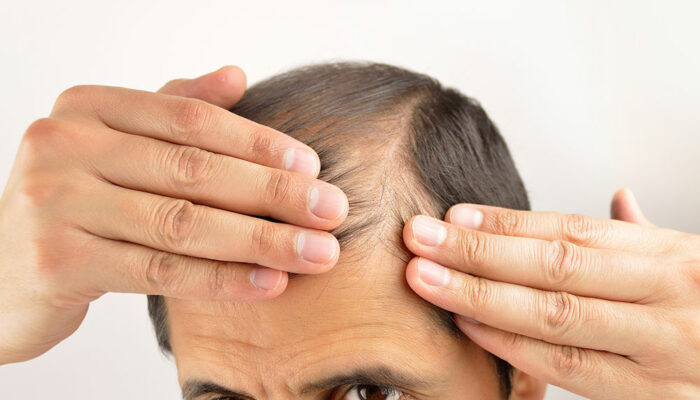
Top 4 reasons for unnatural hair loss patterns

Learn about these 3 types of hearing loss

Learn about these 3 types of hearing loss

Simple lifestyle changes that reduce the risk of heart diseases

Simple lifestyle changes that reduce the risk of heart diseases

How to distinguish between heartburn and GERD

How to distinguish between heartburn and GERD

Most Popular

5 common joint conditions and how to treat them

5 common joint conditions and how to treat them

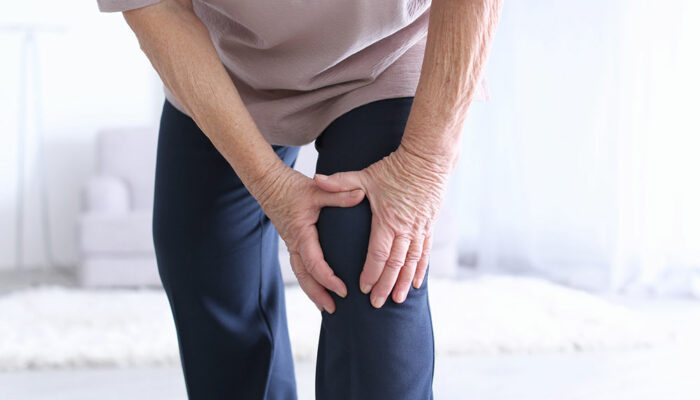
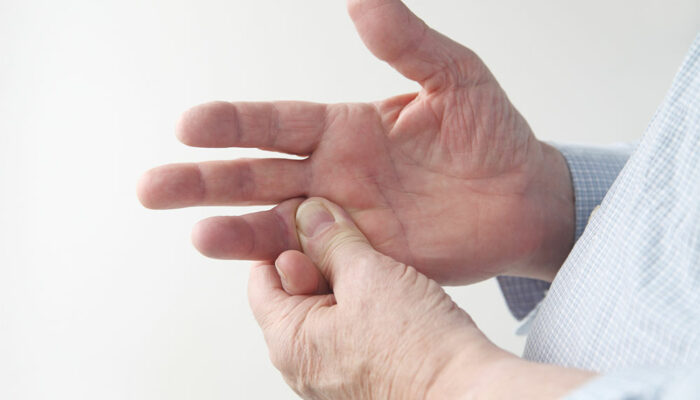
A joint or articulation is made from two bones that aid the body in movement. There are many forms of joint conditions, which, in many cases, arise from the wear and tear of bones. Arthritis is one of the major and most common health conditions in the country, and its intensity increases with age. Here are some common types of joint conditions that you need to know: Osteoarthritis With almost 10 percent of men and 13 percent of women aged over 60 suffering from osteoarthritis, it is one of the most prevalent joint conditions in the country. Osteoarthritis occurs due to the wear and tear of the cartilages that protect the ends of bones. It commonly affects joints of the spine, hands, hips, and knees. If left untreated, this wear and tear of the cartilage soon leads to bone degeneration, thereby affecting flexibility and range of movement. Treatment for osteoarthritis depends on its severity and the patient’s age. Mild symptoms can be treated through medications, physiotherapy, and changes in lifestyle, whereas moderate to severe cases may require surgical intervention. Spondyloarthritis Spondyloarthritis, also referred to as spondyloarthropathy, is a type of rheumatic disease that causes inflammation in various joints. There are two types of spondyloarthritis—axial spondyloarthritis, which causes inflammation of the joints in the chest, spine, and hip bone, and peripheral spondyloarthritis, which causes inflammation in the fingers, knees, and toes.
Tips to help you strengthen your immune system

Tips to help you strengthen your immune system

Natural selection has transformed the way in which the human immune system works. While some human genes have evolved to become immune to certain diseases, others have not. This leaves a whole lot of people prone to certain diseases and disorders. That said, there are ways to boost the immune system, improve one’s diet, and lead a healthier lifestyle. Here are a few simple steps that you can take to strengthen the immune system: Ensure adequate sleep There are quite a few studies that prove the relationship between adequate sleep and the strength of the immune system. As an adult, you should ensure that you get seven to eight hours of sleep every night. A teenager should get eight to ten hours of sleep, whereas a young child should get at least 14 hours of sleep on a daily basis. If you have disturbed or no sleep, then you can improve your sleep cycle with these quick tips: Try sleeping in a room that is completely dark Get to bed at the same time every night. This will help regulate your sleep pattern Avoid using electronics that emit blue light before bed Maintain a diet of fruits and vegetables Fruits, vegetables, and whole grains contain essential minerals, fiber, vitamins, and antioxidants.
  • About Us
  • Contact Us
  • Privacy Policy

© 2025 ArticleHood.com. All Rights Reserved.

e